IDPWD 2025: We Can’t Talk Inclusion Without Talking Accessibility
Every year on IDPWD, I end up feeling this mix of pride, gratitude and a little frustration. We talk so much about disability inclusion in workplaces, in the community, in events, and I genuinely love seeing people care more and try more.
But there’s a question I keep coming back to, and it sits with me every time I move through Melbourne:
Are disabled people actually being included - properly, practically, and meaningfully?
Because when inclusion is talked about more than it’s lived, the gap becomes obvious. And honestly… we feel it.
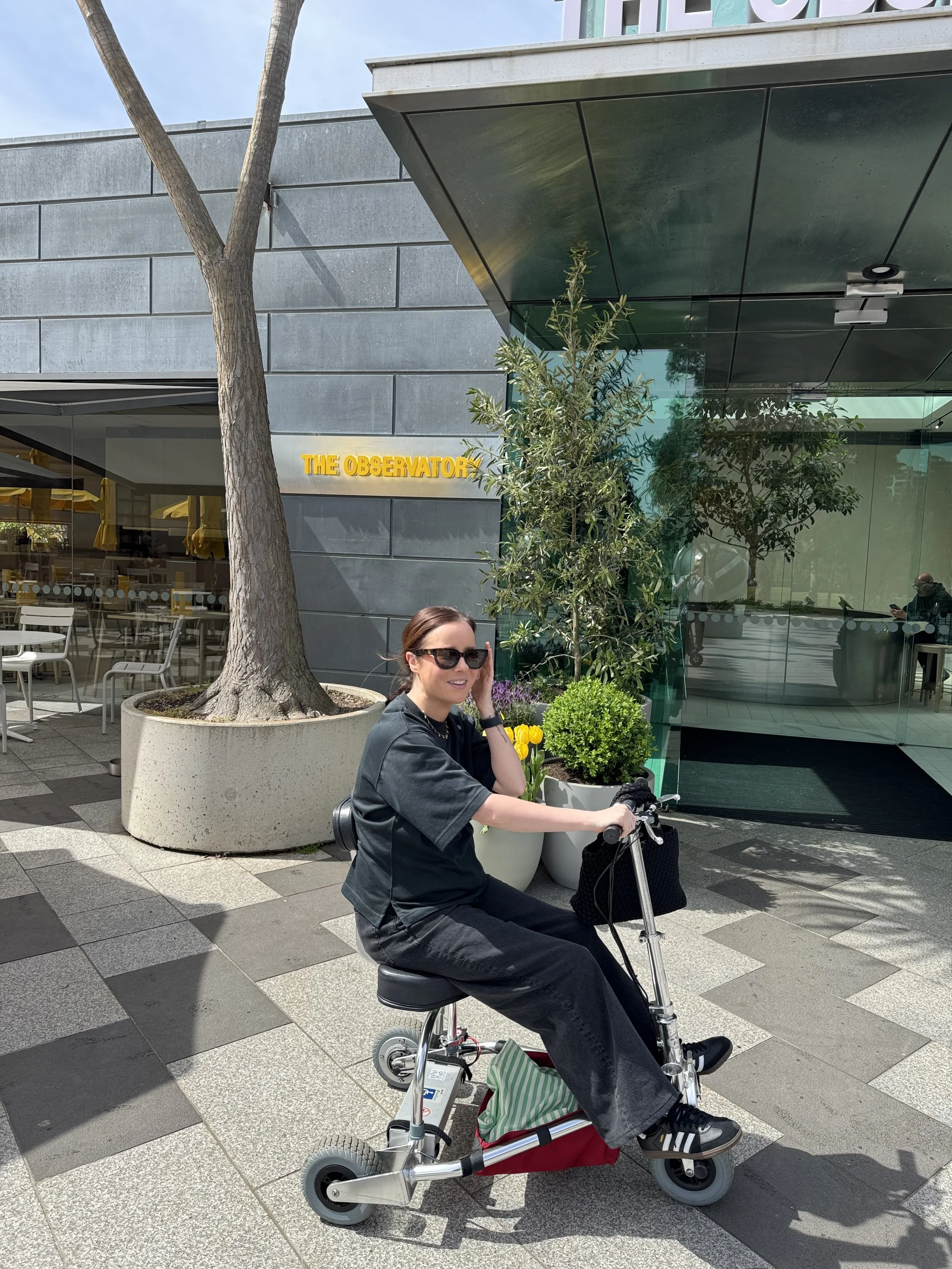
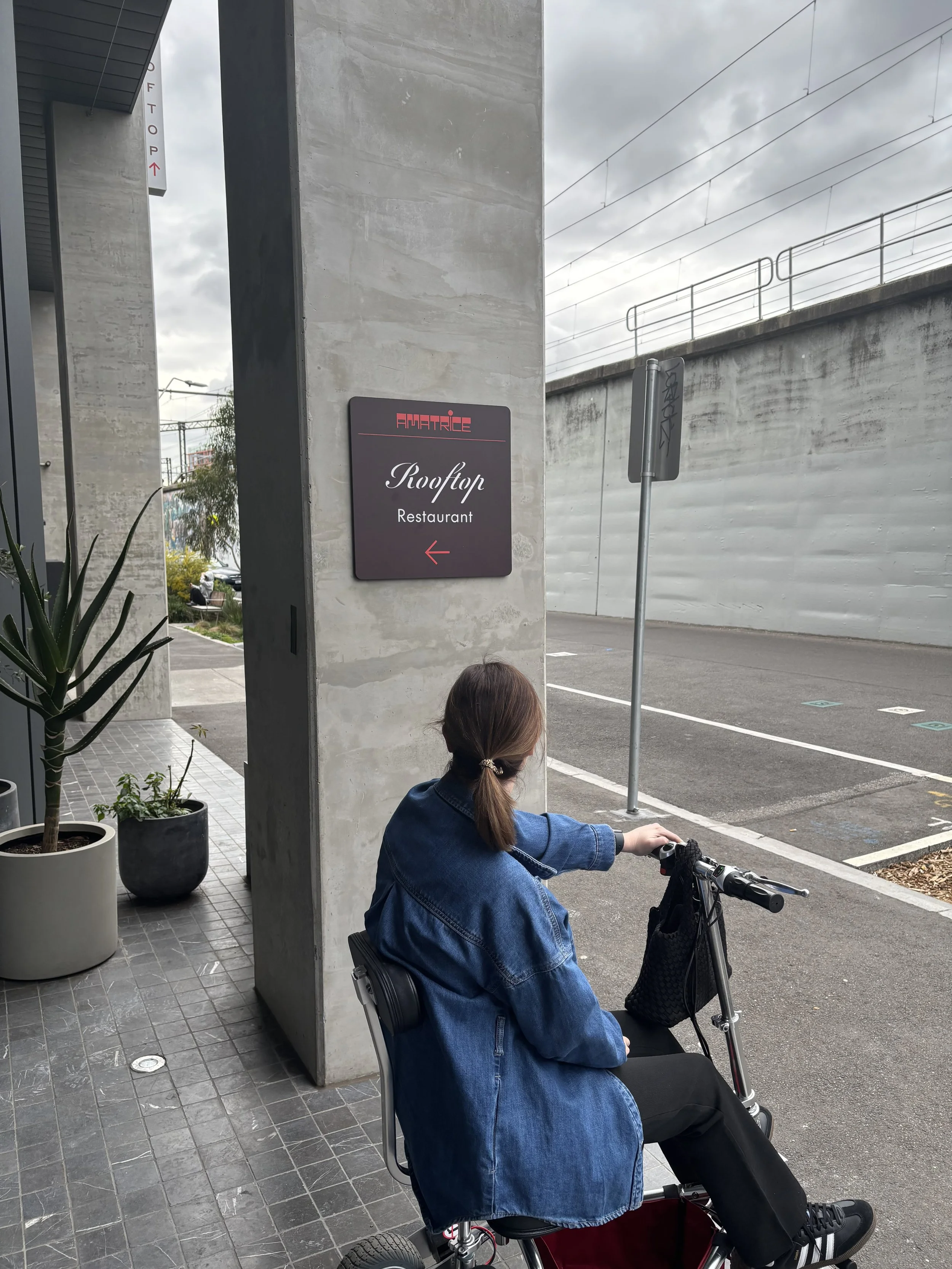
Inclusion Without Accessibility Isn’t Inclusion
A lot of places call themselves “inclusive”.
It’s in the values on their website, the posters in the foyer, even painted as inspirational words across a wall.
But if I can’t get inside because of one small step…
If there’s no threshold ramp…
If I have to spend extra energy researching access info just to grab a coffee or attend a meeting…
Then that’s not inclusion. That’s a barrier.
And the unspoken message behind that barrier is pretty simple:
You weren’t thought about.
Disabled people already put in more physical and mental effort to move through the world. We shouldn’t have to work even harder just to do everyday things.
Events, Workplaces and the Simple Reality of Toilets
Here’s something personal, but important:
A venue is not accessible if there isn’t an accessible toilet.
I’ve lost count of the times I’ve limited how much I drink because I knew I wouldn’t be able to use the bathroom. It’s uncomfortable to say out loud, but it’s the reality for so many disabled people.
Imagine planning an event or dinner with friends and having to say:
“Just a heads up, none of us can use the toilet here. We’ll just wait until we get home.”
You simply wouldn’t go. Would you?
Yet disabled people deal with that situation regularly, usually without mentioning it.
Why Are We Still Missing the Basics in 2025?
Some venues absolutely nail accessibility. I love highlighting them because it’s obvious they’ve put thought into it.
And then… there are the ones that make you wonder how the planning process even happened.
A brand new rooftop restaurant opened in the CBD recently. Absolutely stunning. Modern. Beautiful. They even put in a lift and an accessible toilet, which shows they tried.
But to get to the lift, you had to climb eight steps.
Eight.
Moments like that take the wind out of you. Not because I expect perfection… but because I expect someone to think it through. I expect someone in the room to say, “Hang on, this won’t work.”
Accessibility Is the Foundation, Not the Extra
Accessibility isn’t complicated. Honestly, it’s often the simplest details that make the biggest difference.
- A portable ramp
- A wider path
- Clear access information online
- Staff who understand the basics
I promise you, these things change experiences.
Accessibility isn’t “extra”. It’s how inclusion actually happens. And when businesses get it right, it’s noticeable. It removes stress and literally opens the door.
If You Want Inclusion, Start With Us
On IDPWD 2025, this is the message I want people to sit with:
You can’t talk about inclusion if you’re not thinking about accessibility.
And you can’t create accessibility if you do it without disabled people in the room.
If you want to build inclusive workplaces, venues, events or communities, start early. Ask questions. Consult us. Bring us in before the design is set in stone.
Because true inclusion isn’t something you can label yourself with, it’s something people can feel the moment they arrive.